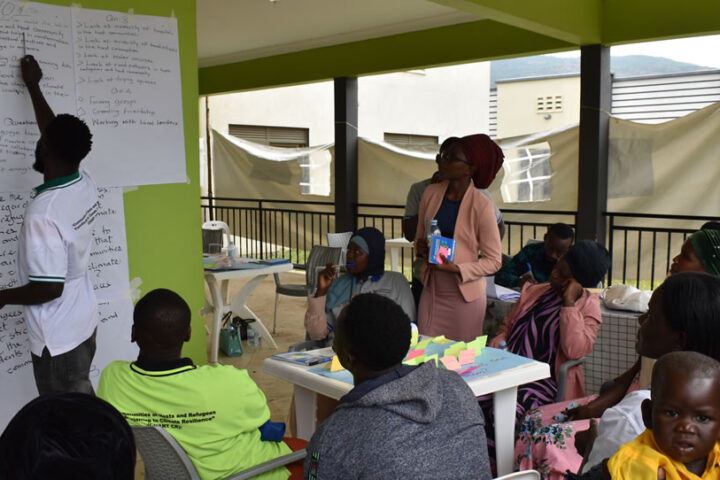
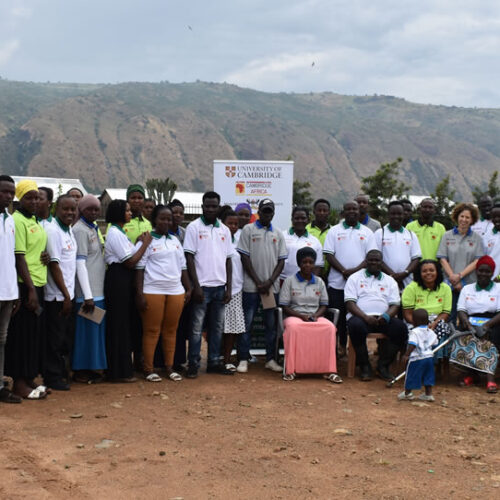
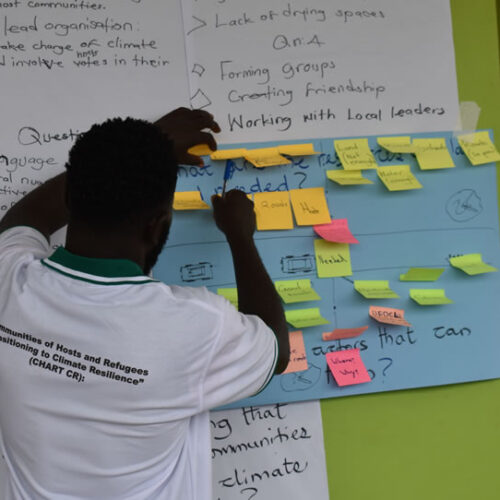
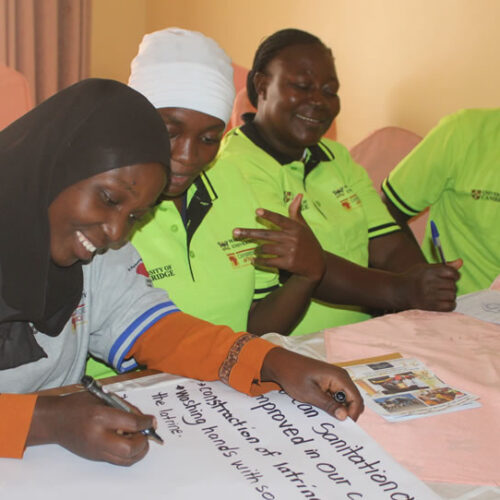
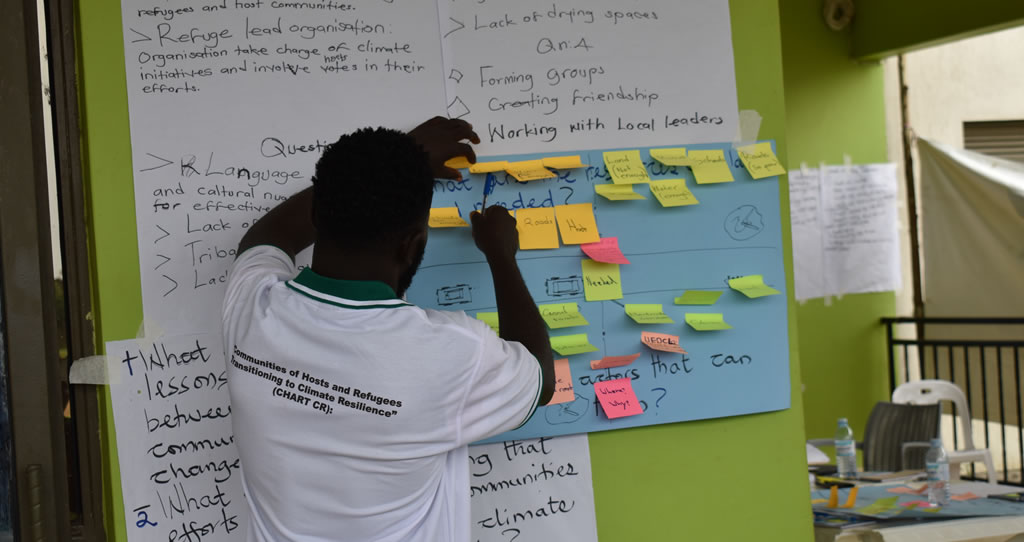
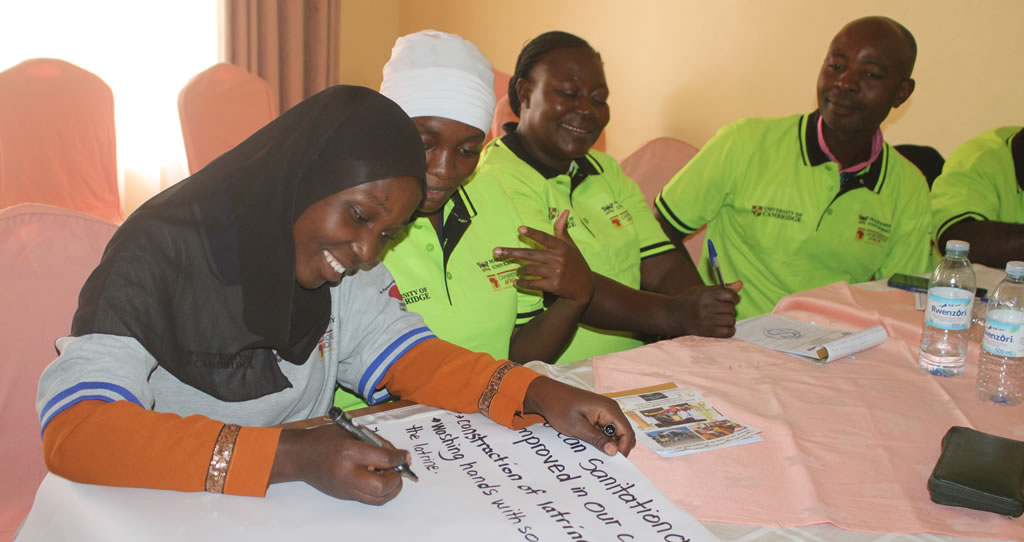
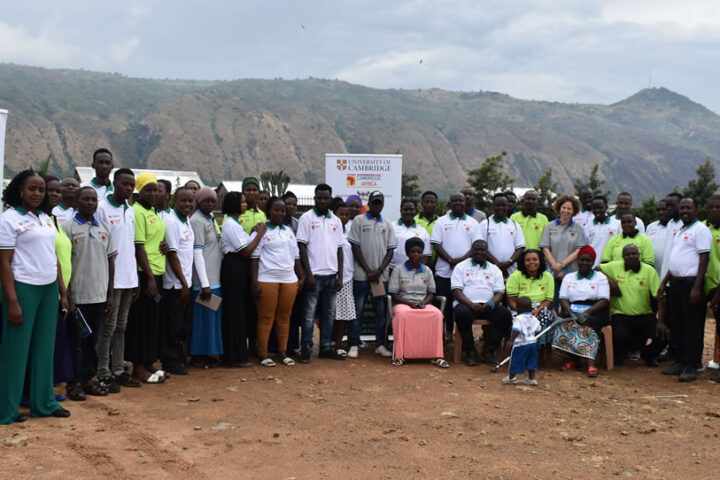
The Communities of Hosts and Refugees Transitioning to Climate Resilience (CHART-CR) Project is a collaborative initiative between the University of Cambridge and Makerere University, implemented in partnership with key stakeholders to strengthen climate resilience among refugees and host communities in Uganda. The project responds to growing climate-related vulnerabilities in refugee-hosting districts, particularly Kasese and Hoima, where environmental degradation, rapid population growth, displacement, and limited access to water, sanitation, food security, and financial services continue to undermine livelihoods.
The project focused on establishing a strong foundation for its pilot thematic areas: Water for Food, Water for Health, and Food Security. These components address critical issues related to access to safe drinking water, domestic water management, climate-smart agricultural practices, post-harvest handling, and sustainable food systems. The project also prioritizes financial inclusion and livelihood enhancement as key enablers of climate resilience.
Multimedia
Multimedia highlights of water, sanitation, food security, and climate-smart solutions across refugee and host communities
-
Sound Clips
Listen to podcasts and audio recordings about research and activities taking place at the CoE in Food Security
Publications
Refugees and Host Communities Leading Climate Adaptation in Kasese and Hoima
In the district of Hoima, climate change continues to place increasing pressure on livelihoods, natural resources, and community well-being. Refugees and host communities alike face challenges such as unpredictable rainfall, prolonged dry spells, and climate-related shocks that affect food production and income stability.
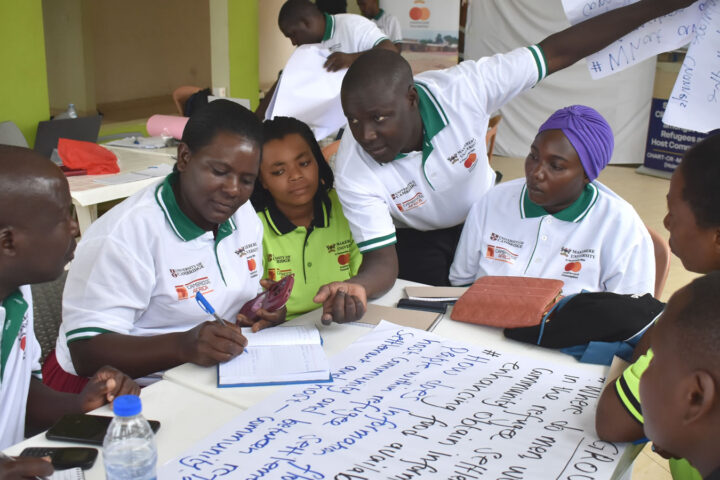
Strengthening Institutional Capacity for Climate Resilience in Kasese and Hoima
Institutions play a critical role in supporting communities to prepare for, respond to, and recover from the impacts of climate change. In Uganda’s Kasese and Hoima districts, climate-related challenges such as flooding, droughts, and environmental degradation continue to affect livelihoods, infrastructure, and access to basic services. Recognizing this, the project is working to enhance the...Continue reading→

Our Partners
With thanks to our Funders and Host Institutions, without whose support our work would not to be possible